
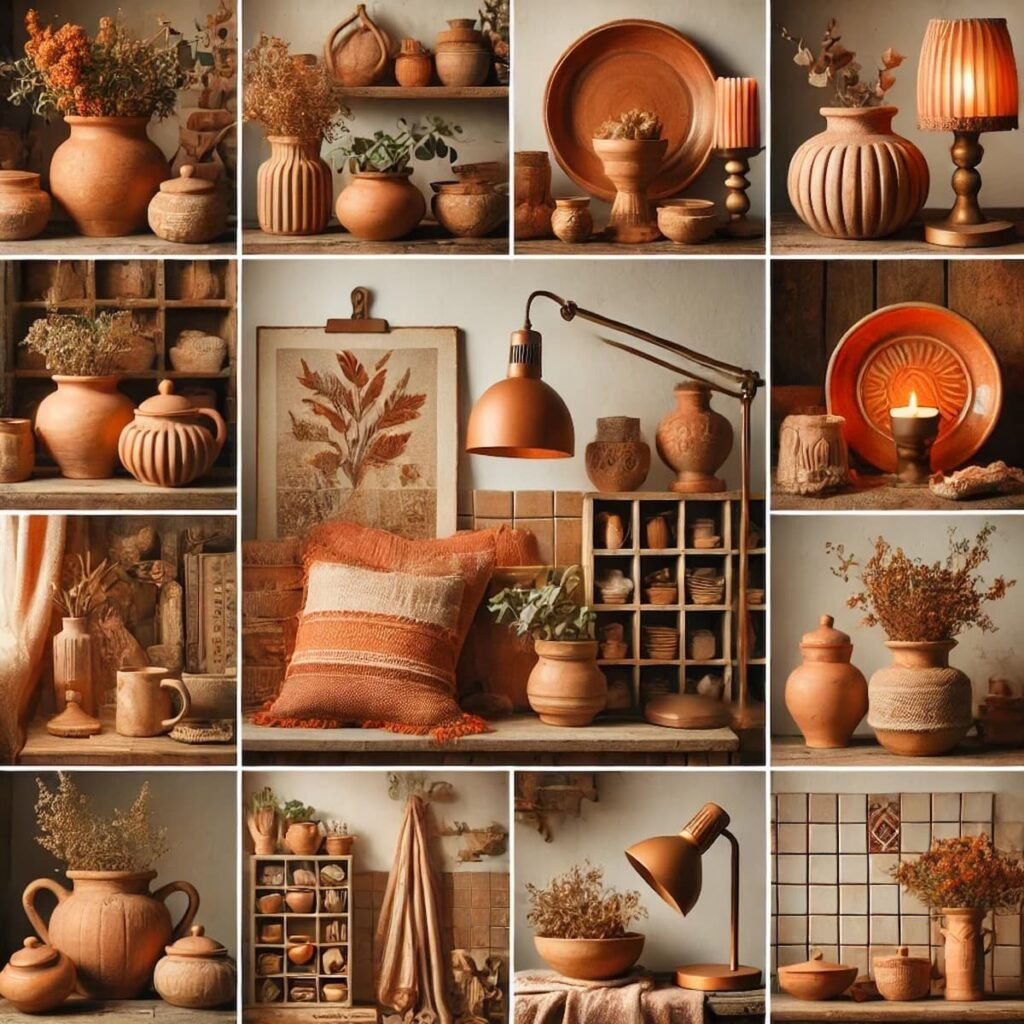
Terracotta has been an integral part of India’s cultural heritage for thousands of years. From rural villages to royal courts, terracotta crafts have symbolized artistic expression, utility, and tradition. At Sanskara Global, we are passionate about bringing these timeless creations to the global market, helping artisans thrive while sharing India’s rich craftsmanship with the world.
The origins of terracotta crafts in India date back to the Indus Valley Civilization, around 2500 BCE. Archaeologists have uncovered intricately designed terracotta figurines, toys, and pottery that highlight the artistic and functional significance of this craft. Over centuries, terracotta evolved regionally, reflecting local customs, beliefs, and artistic techniques.
Different regions in India developed unique styles of terracotta crafts:
West Bengal: Famous for the Bankura horses, which are elegant, hand-sculpted pieces often used in religious rituals.
Odisha: Known for intricate temple decorations and miniature figurines.
Gujarat & Rajasthan: Renowned for colorful pottery, home décor items, and ceremonial objects.
These regional variations not only show India’s diversity but also make terracotta crafts highly appealing to international buyers who value authenticity and cultural richness.
Creating terracotta crafts is a labor-intensive process that demands skill, patience, and dedication. The process typically involves:
Clay Selection: The first step is sourcing natural clay from local rivers and soil deposits. The quality of clay determines the durability and finish of the final product.
Shaping and Sculpting: Artisans shape the clay using their hands, molds, or traditional pottery wheels. Every detail, from facial expressions to ornamental patterns, is carefully carved.
Drying: The shaped clay is left to air-dry for several days, ensuring it retains its shape without cracking.
Firing: The dried clay is baked in kilns at high temperatures to harden it. This step gives terracotta crafts their distinctive earthy hue and long-lasting strength.
Painting and Finishing: Some terracotta pieces are painted with natural colors or left unpainted to preserve the raw, authentic look.
At every stage, artisans infuse creativity, patience, and tradition into the work, making each piece a testament to India’s artistic heritage.
Terracotta is more than just art; it is deeply woven into India’s cultural fabric. Terracotta crafts are used in:
Festivals and Rituals: Items like figurines of deities, horses, and animals are central to religious ceremonies.
Home Décor: Traditional terracotta pots, lamps, and sculptures decorate homes and public spaces.
Storytelling: Many terracotta figurines depict mythological tales, folk stories, and local legends.
By preserving these traditions, terracotta crafts maintain a connection to India’s past while serving modern aesthetic needs.
In recent years, terracotta crafts have gained international recognition. Designers and collectors worldwide appreciate these pieces for their:
Eco-friendliness: Made from natural clay, they are biodegradable and sustainable.
Authenticity: Each piece carries the artisan’s signature style, ensuring uniqueness.
Versatility: From home décor to garden accessories, terracotta fits both traditional and contemporary interiors.
Through export initiatives like Sanskara Global, these exquisite terracotta crafts reach homes across Europe, North America, and Asia, promoting Indian culture globally while supporting local artisans economically.
At Sanskara Global, we take pride in sourcing authentic terracotta crafts directly from artisans. Our process ensures:
Quality Assurance: Every piece undergoes strict checks for durability and craftsmanship.
Fair Trade: Artisans receive fair compensation for their work, sustaining communities.
Global Shipping: We handle logistics, packaging, and delivery to ensure pieces reach international clients safely.
By connecting local talent to global markets, Sanskara Global helps preserve traditional crafts while making them accessible to a worldwide audience.
Despite their beauty, artisans often face challenges in scaling production for international markets:
Limited Reach: Many skilled artisans lack marketing or online presence.
Resource Constraints: Sourcing quality clay and materials can be difficult.
Export Knowledge: Understanding international shipping, customs, and regulations is a barrier.
Sanskara Global addresses these challenges by providing a structured supply chain, marketing support, and export expertise, ensuring that both artisans and buyers benefit.
Terracotta crafts are not just products; they are stories of culture, skill, and heritage. With initiatives like Sanskara Global, these crafts gain global recognition while empowering the artisans who create them.
By purchasing and promoting terracotta, we celebrate India’s artistic legacy and contribute to sustainable livelihoods. Every piece carries the spirit of Sanskara — refinement, tradition, and excellence — delivered from Indian soil to homes around the world.

From Indian Hands to Global Hearts
Copyright © 2025 Sanskara Global