
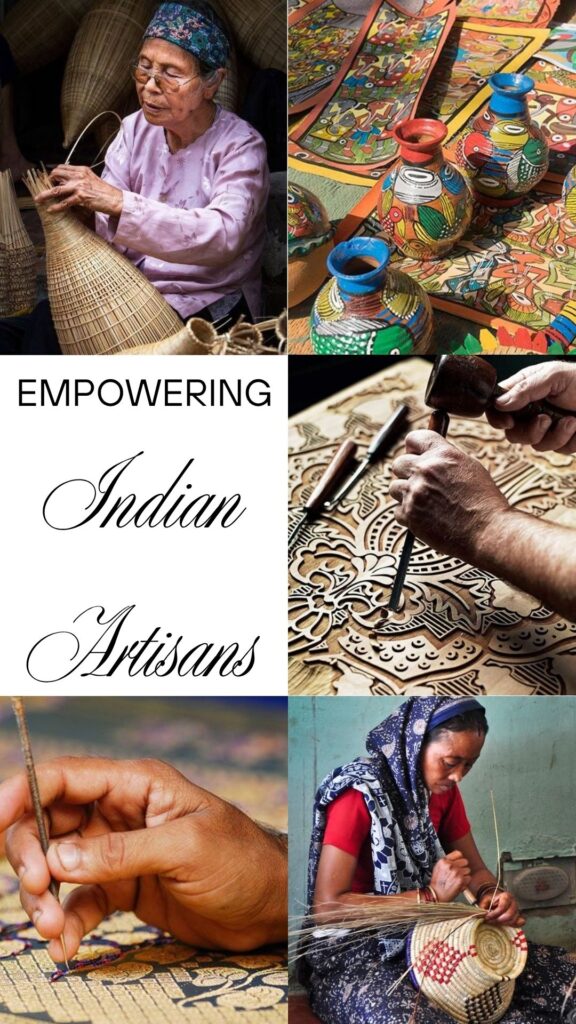
India’s handicraft sector is one of the oldest and most vibrant industries globally. From intricately carved wooden artifacts to handwoven textiles, the country’s crafts represent centuries of tradition and skill. In recent years, handicraft exports from India have gained remarkable global recognition — not only for their beauty and uniqueness but also for their cultural and sustainable value.
At Sanskara Global, we are proud to be part of a movement that connects India’s artisans with international markets, bringing timeless craftsmanship to homes and businesses worldwide.
Handicrafts have always been an integral part of Indian culture. Every region, state, and village has its distinct craft form, shaped by local traditions, materials, and lifestyles.
From Kashmir’s delicate papier-mâché work to Gujarat’s vibrant embroidery, handicraft exports from India are a reflection of diversity and innovation. These crafts are not just products — they are stories, emotions, and expressions of the artisans’ heritage.
The industry employs over 7 million artisans, making it one of India’s largest sources of rural employment after agriculture. It is also one of the most sustainable industries, as most crafts rely on natural materials and traditional methods.
India’s handicraft exports span hundreds of product categories. Some of the most popular include:
Saharanpur in Uttar Pradesh is world-famous for its intricately carved wooden furniture and décor. These pieces blend traditional motifs with contemporary designs, making them highly desirable in global markets.
Moradabad, often called the “Brass City,” leads India’s metal handicraft exports. Artisans produce exquisite trays, lanterns, candle holders, and sculptures in brass, copper, and aluminum.
From hand-embroidered sarees to block-printed fabrics, India’s textile crafts are globally admired. States like Rajasthan, Gujarat, and Tamil Nadu specialize in unique styles that showcase regional identity.
Terracotta and pottery crafts have found a niche in eco-friendly home décor markets. Their earthy charm and natural finish appeal to buyers looking for sustainable aesthetics.
Handmade bags, baskets, and decorative accessories made from natural fibers like jute, cane, and rattan are increasingly popular due to their organic appeal and durability.
These diverse categories ensure that handicraft exports from India cater to a wide range of global tastes — from traditional collectors to modern minimalist homes.
The demand for handicraft exports from India continues to grow across continents. Some of the top importing countries include:
United States – A major buyer of Indian home décor, furniture, and textiles.
United Kingdom & Germany – Known for their appreciation of sustainable, handmade products.
France & Italy – High-end luxury markets for bespoke artisan pieces.
Middle East & UAE – Rapidly growing demand for ethnic décor and premium gifts.
Australia & Canada – Strong consumer base for eco-friendly and ethically sourced products.
As global consumers move toward conscious living, they increasingly prefer handmade over mass-produced items. This shift places handicraft exports from India at the center of a global sustainability trend.
There are several reasons why India dominates the global handicraft market:
Cultural Diversity: Each Indian region contributes a unique craft, ensuring unparalleled product variety.
Skilled Workforce: Generations of artisans possess skills refined over centuries.
Affordability: Handmade products from India offer exceptional value compared to industrial alternatives.
Sustainability: Most Indian crafts are eco-friendly and use renewable materials.
Customization: Artisans can adapt traditional designs to suit international tastes and modern décor trends.
At Sanskara Global, we help clients worldwide source authentic Indian crafts while maintaining the highest quality and ethical standards.
The Indian government actively supports handicraft exports from India through various programs and councils.
EPCH (Export Promotion Council for Handicrafts): Promotes export activities, organizes international trade fairs, and provides marketing assistance.
DCH (Development Commissioner Handicrafts): Offers training, financial aid, and design innovation support to artisan clusters.
GI Tagging: Geographical Indications help protect the uniqueness of crafts like Banarasi sarees or Kutch embroidery.
These initiatives aim to empower artisans and make Indian handicrafts globally competitive.
While the potential is immense, handicraft exports from India face several challenges:
Inconsistent Quality Standards: Lack of centralized quality control can affect international trust.
Limited Digital Presence: Many artisans still rely on traditional sales channels.
Complex Export Regulations: Small artisans struggle with documentation and logistics.
Middlemen Exploitation: Profits often bypass the actual creators.
Sanskara Global bridges these gaps by managing logistics, ensuring quality control, and directly connecting artisans to international buyers.
At Sanskara Global, our mission is clear — to make handicraft exports from India synonymous with quality, authenticity, and sustainability.
Direct Sourcing: We collaborate directly with artisan communities to ensure fair wages and genuine craftsmanship.
Quality Control: Every piece undergoes rigorous quality checks before shipping.
Export Expertise: We manage documentation, packaging, and logistics efficiently.
Design Collaboration: Our team works with artisans to create designs that suit both traditional and modern markets.
Global Partnerships: We connect Indian handicrafts to retailers, designers, and distributors across continents.
Through these efforts, Sanskara Global ensures that the beauty of Indian craftsmanship reaches every corner of the world.
Sustainability is at the core of handicraft exports from India. Most products are handmade using natural materials such as wood, clay, metal, cotton, and bamboo.
By exporting such products, we contribute to:
Reduced Carbon Footprint (minimal machinery)
Waste Reduction (eco-friendly production)
Economic Empowerment (rural employment)
Cultural Preservation (safeguarding traditional knowledge)
Every exported craft not only supports an artisan family but also promotes a sustainable, slow-living lifestyle worldwide.
The future looks exceptionally bright. With growing awareness about ethical sourcing and handmade quality, the global demand for handicraft exports from India is expected to rise steadily.
According to EPCH data, the industry aims to surpass USD 5 billion in exports over the next few years. By integrating digital platforms, virtual trade fairs, and direct-to-consumer models, Indian artisans will soon have unprecedented access to international buyers.
Sanskara Global is committed to leading this transformation by leveraging technology and storytelling to make each product’s journey as inspiring as the craft itself.
Handicraft exports from India represent more than just business — they represent India’s identity, artistry, and values. Every handcrafted piece narrates a story of patience, creativity, and legacy.
Through initiatives like Sanskara Global, we ensure that these stories are heard, valued, and cherished by audiences across the world. As we continue to bridge the gap between local artisans and global buyers, we take pride in exporting not just crafts, but culture — one masterpiece at a time.

From Indian Hands to Global Hearts
Copyright © 2025 Sanskara Global